
By Jason B. Tartt, Sr.
Display caption
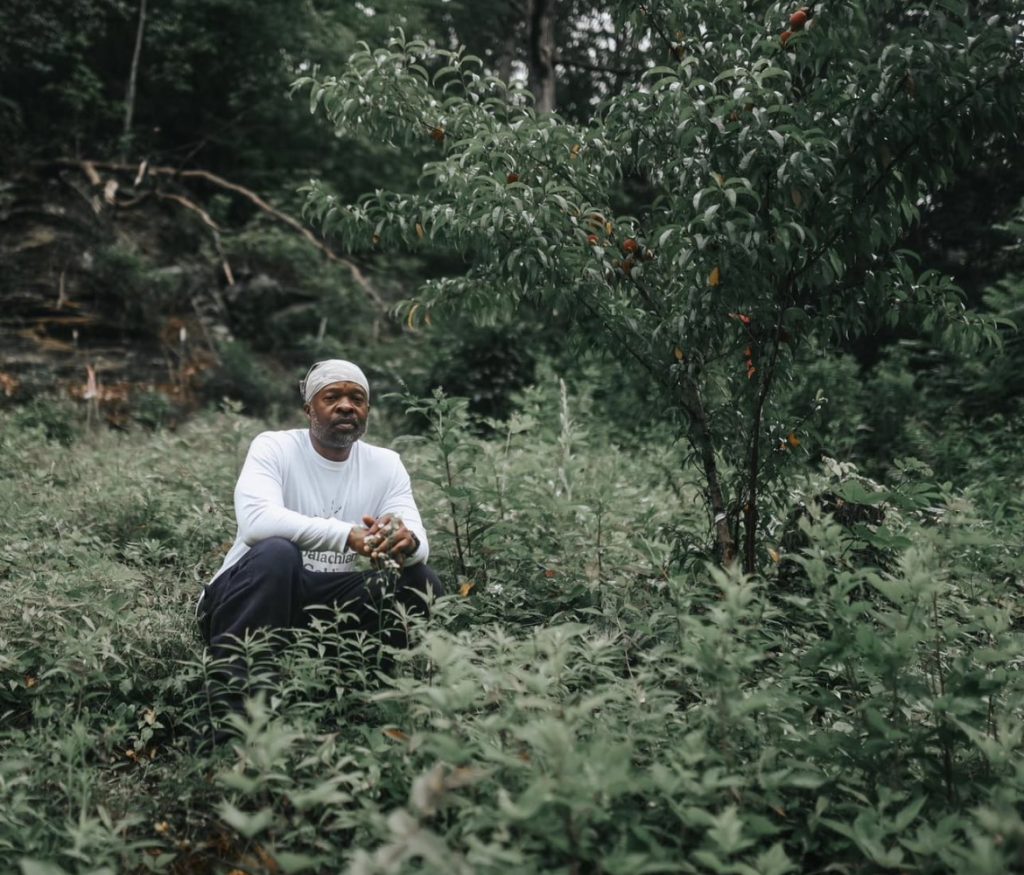
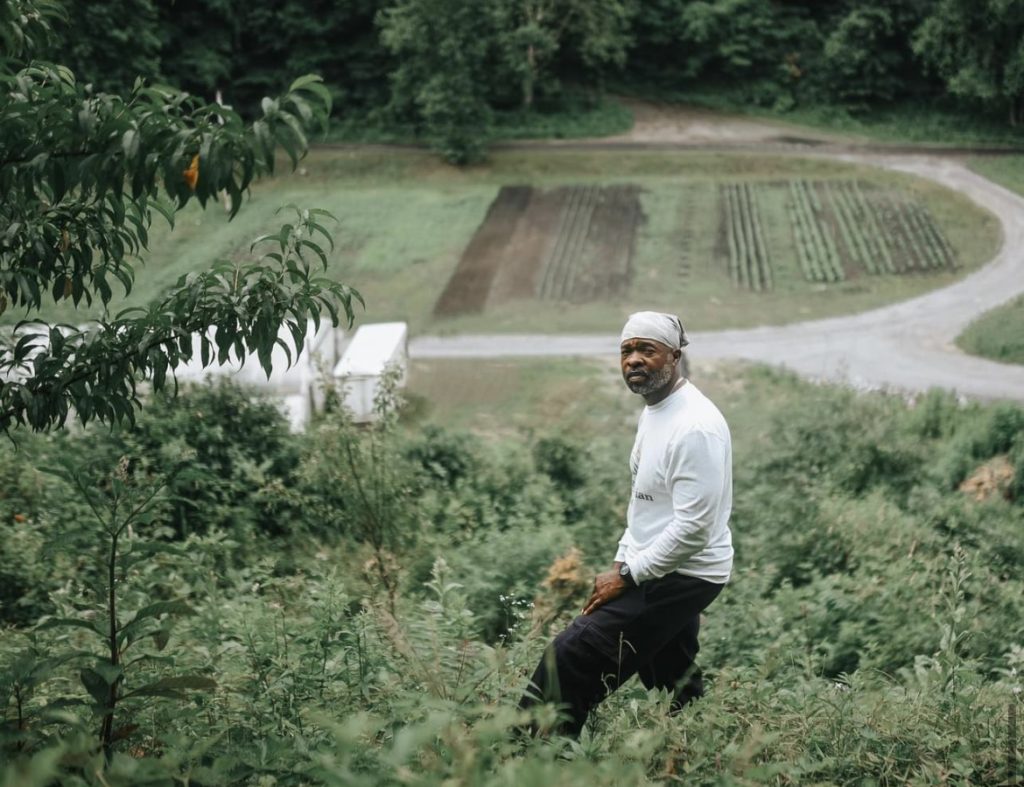
Image: Jason next to a peach tree above the DRT (Demonstration, Research, and Training) nursery and urban farming training area. Credit: Courtesy of Jason Tartt.
Food has always been more than sustenance. It is memory, identity, and a living record of how people relate to the land—and to one another. In places like Central Appalachia and West Africa, food traditions are not simply cultural artifacts; they are systems of survival, resilience, and, increasingly, economic renewal.
In Central Appalachia, generations of families have relied on the land in ways that are deeply tied to geography and necessity. Gardens carved into hillsides, free-range poultry, honey production, and foraged goods reflect a culture shaped by both abundance and hardship. These traditions emerged not from luxury, but from the need to be self-reliant. Yet within that necessity lies a powerful legacy: food as a means of independence and community stability.
Display caption
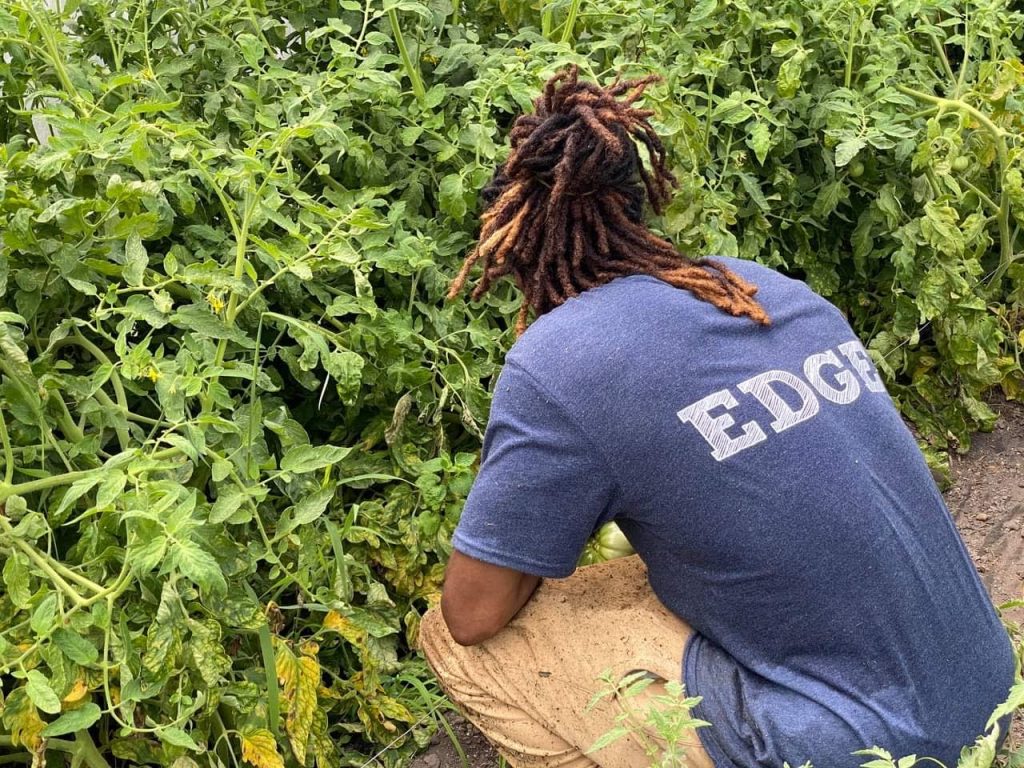
Image: A trainee working with tomato plants. Credit: Jason Tartt.
Similarly, in West Africa, food carries deep symbolic and communal meaning. Meals are often shared, not individualized, reinforcing a collective identity. Crops like cassava, maize, plantains, and indigenous greens such as kontomire (cocoyam leaves) and bitter leaf are cultivated not only for consumption but as part of a broader relationship with land, heritage, and community continuity. Farming is not just an economic activity—it is a cultural practice passed down through generations, embedding knowledge, discipline, and pride.
What is striking is how these two regions, separated by an ocean, share common ground. Both have experienced economic disruption—whether through extractive industries in Appalachia or colonial and global market pressures in West Africa. In both places, traditional food systems were often undervalued or displaced. Yet today, those same systems are re-emerging as pathways forward.
There is a concept from the Akan people of West Africa known as Sankofa—often represented by a bird reaching back to retrieve an egg from its back. It teaches that we must return to the past to reclaim what was lost in order to move forward. This idea offers a powerful lens for understanding the role of food in both Central Appalachia and West Africa today.

Display caption
Image: TT Organics Ghana logo. Courtesy of Jason Tartt.
Food, in this sense, becomes a bridge. Sankofa reminds us that the knowledge embedded in traditional farming, food preparation, and community exchange is not outdated—it is essential. In Central Appalachia, reclaiming agriculture through small-scale farming, value-added production, and regional food systems reflects a return to practices that once sustained entire communities. In West Africa, strengthening local food production and reducing reliance on imports is equally an act of looking back to move forward.
The symbolism of food in both regions is evolving. What was once seen as subsistence is now being recognized as strategy. A free-range egg, a jar of honey, or a locally grown crop carries more than nutritional value—it represents a reclaiming of identity and economic power. Through the lens of Sankofa, these foods become more than products—they are reminders that the future can be built from the wisdom of the past.
Display caption
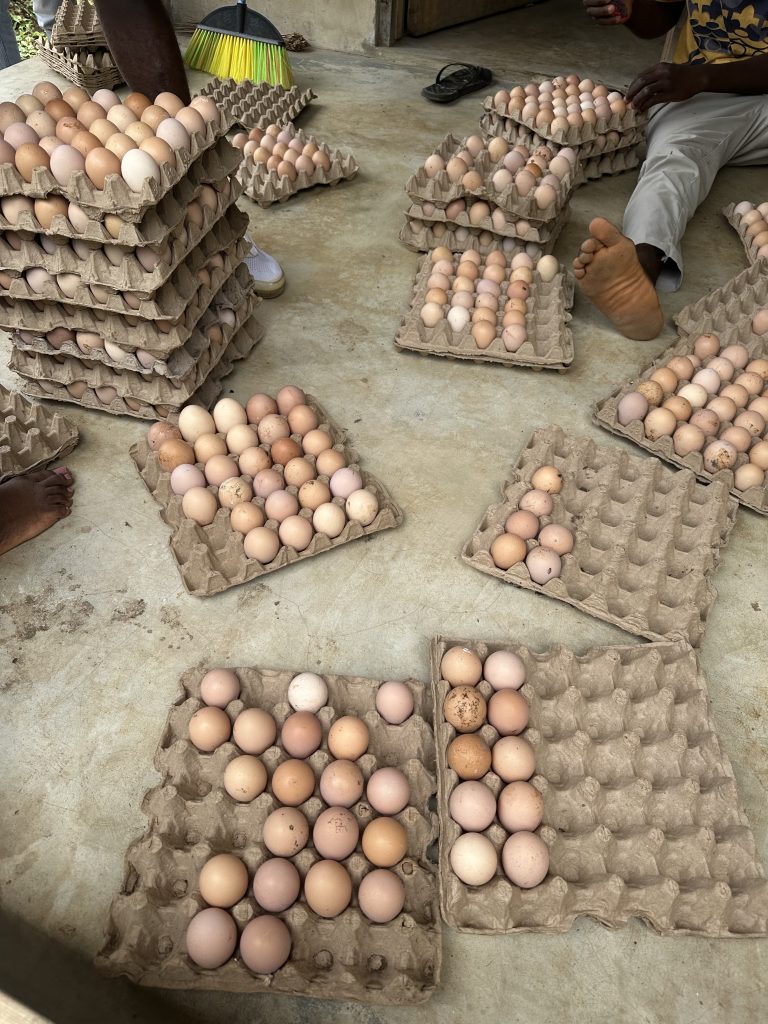
Image: Eggs from T&T Organics, Ghana. Credit: Jason Tartt.
People in both regions face challenges related to accessing nutritious foods and maintaining healthy diets. Yet reconnecting with traditional farming and foodways offers more than cultural preservation—it reconnects communities to fresh, locally produced nutrition rooted in their own backyards. Traditional diets built around natural production methods, crop diversity, and locally adapted foods can improve health outcomes while also strengthening local economies and food security systems.
At its core, food tells a story. In Central Appalachia and West Africa, that story is one of resilience—of people adapting, preserving, and now reimagining their relationship with the land. Sankofa teaches us that the path forward is not about starting over, but about remembering, reclaiming, and rebuilding.
In bridging these traditions across regions, we are reminded of something simple yet profound: the future of food—and the future of communities—may already be growing in the wisdom we choose to carry forward.
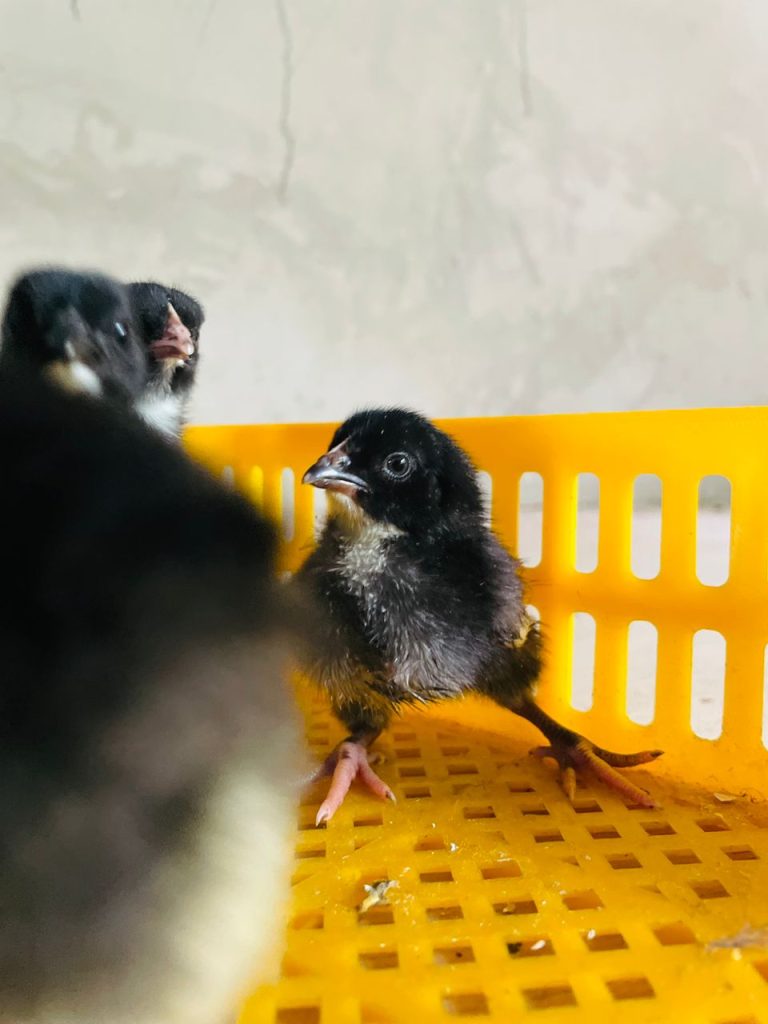
Display caption
Image: Chicks hatched at the T&T Organics hatchery at Asamenkese, Ghana. Credit: Jason Tartt.